Building with AI · Personal ProjectCook like nobody's watching:
a cookbook built with, not by, AI
Rebuilding navigation around how drivers actually think. A personal project uniting three loves: cooking, design, and exploring with AI. Live, and cooking with me every week.
Overview
I love cooking and I use Claude a lot to think about recipes with the ingredients I have at home, but the research inside the conversation in Claude App is not as good and I ended up losing recipes I loved.
I wanted a recipe app to save recipes, that would actually be useful while I'm cooking with dirty hands, and that didn't feel like something designed by AI.
A digital object with personality, not a database with a search bar. And I wanted to build it myself, end-to-end: a new visual to look at, no stakeholders, just taste and a live product at the end.
Everything
❋ Role~1-week project, forever iterating ever since bc so much fun
❋ TimelineHours cooking in a flow state
Amount of happy bellies
Number of new recipes
Impact
Design decisions
❋ Editorial, not app-like.
Instead of food photography, every recipe gets a color block, so it stays beautiful even when you're too lazy to photograph the food.
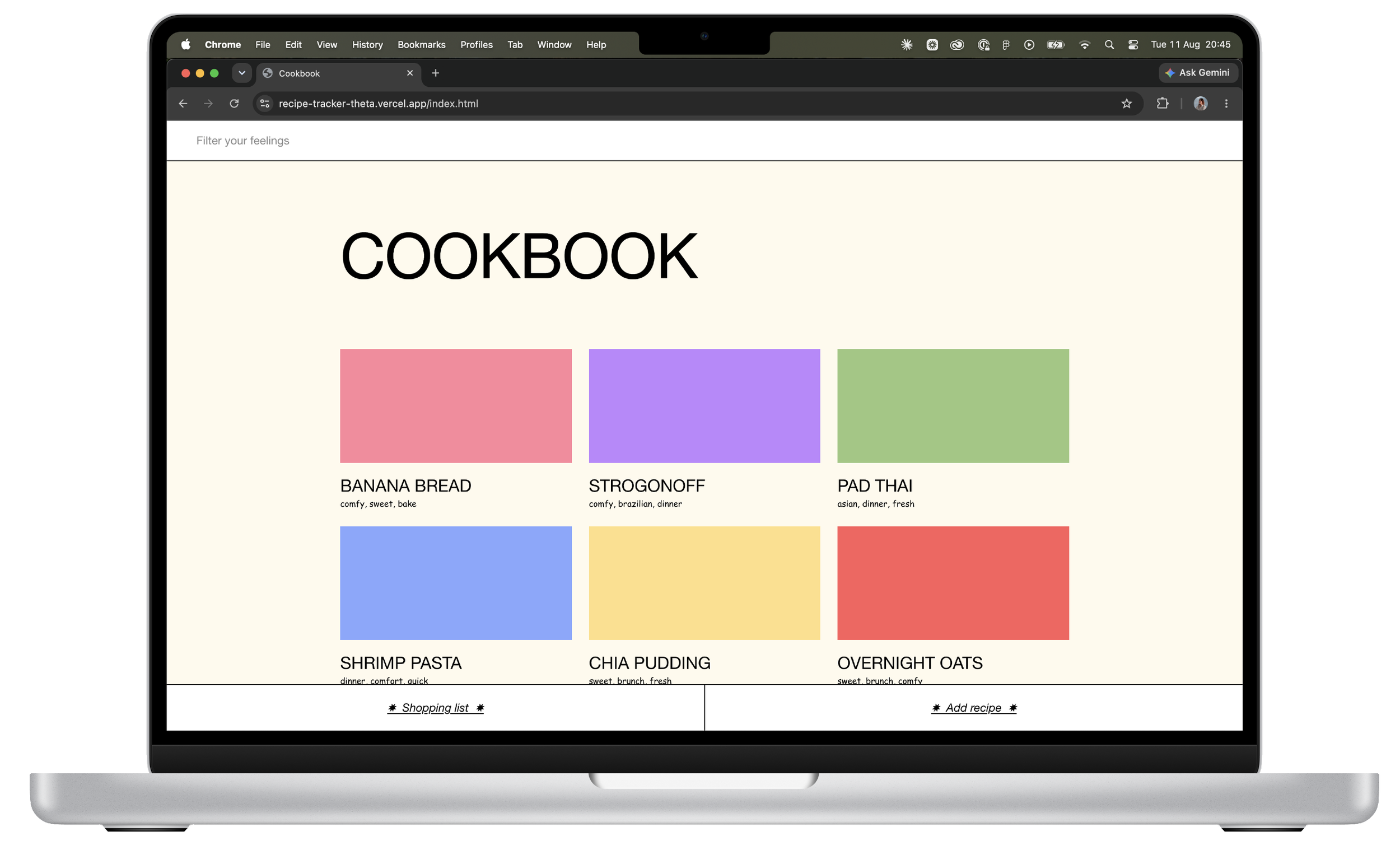
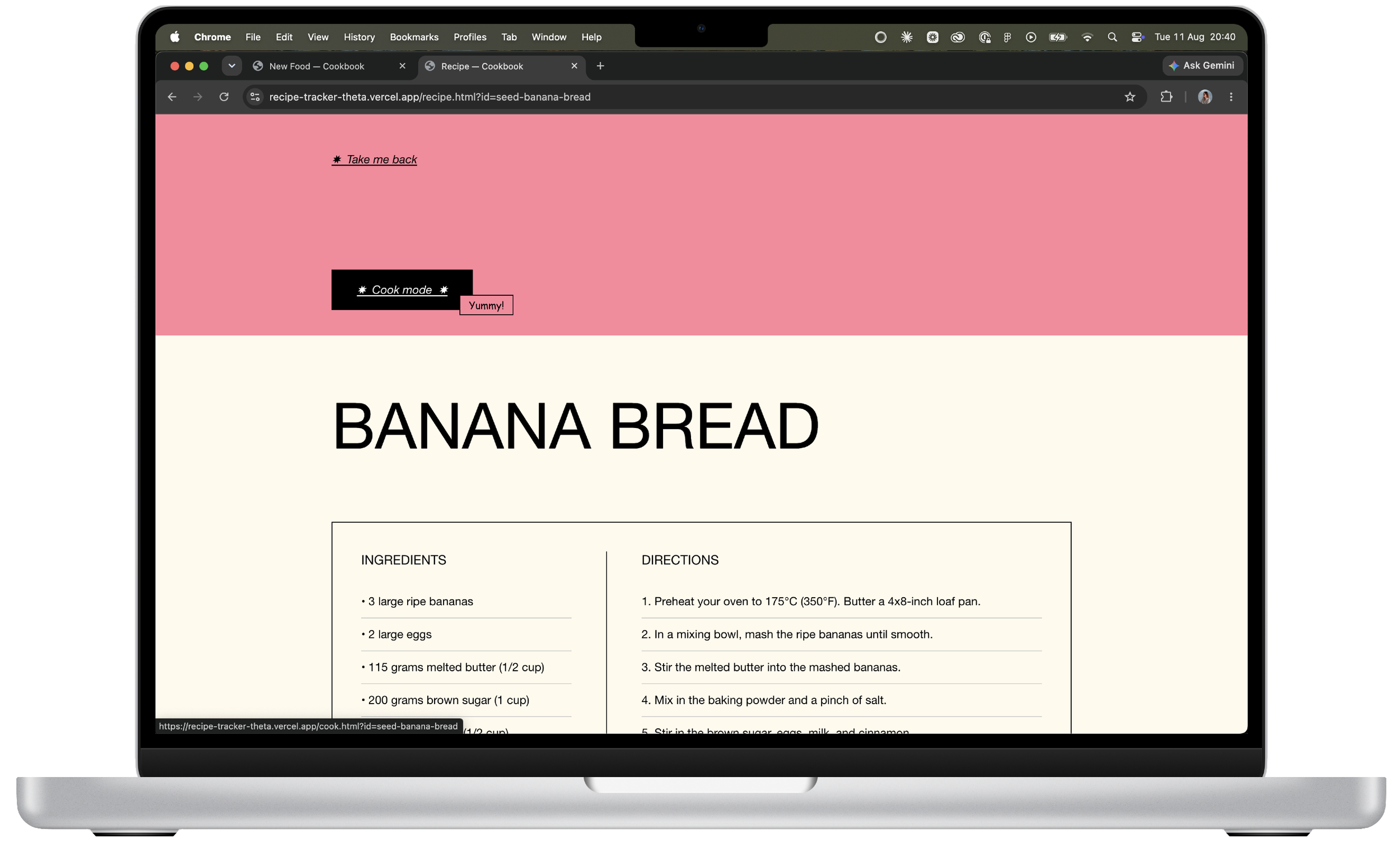
The color you choose for your recipe when you create it will follow in many different moments, creating continuity in the experience.
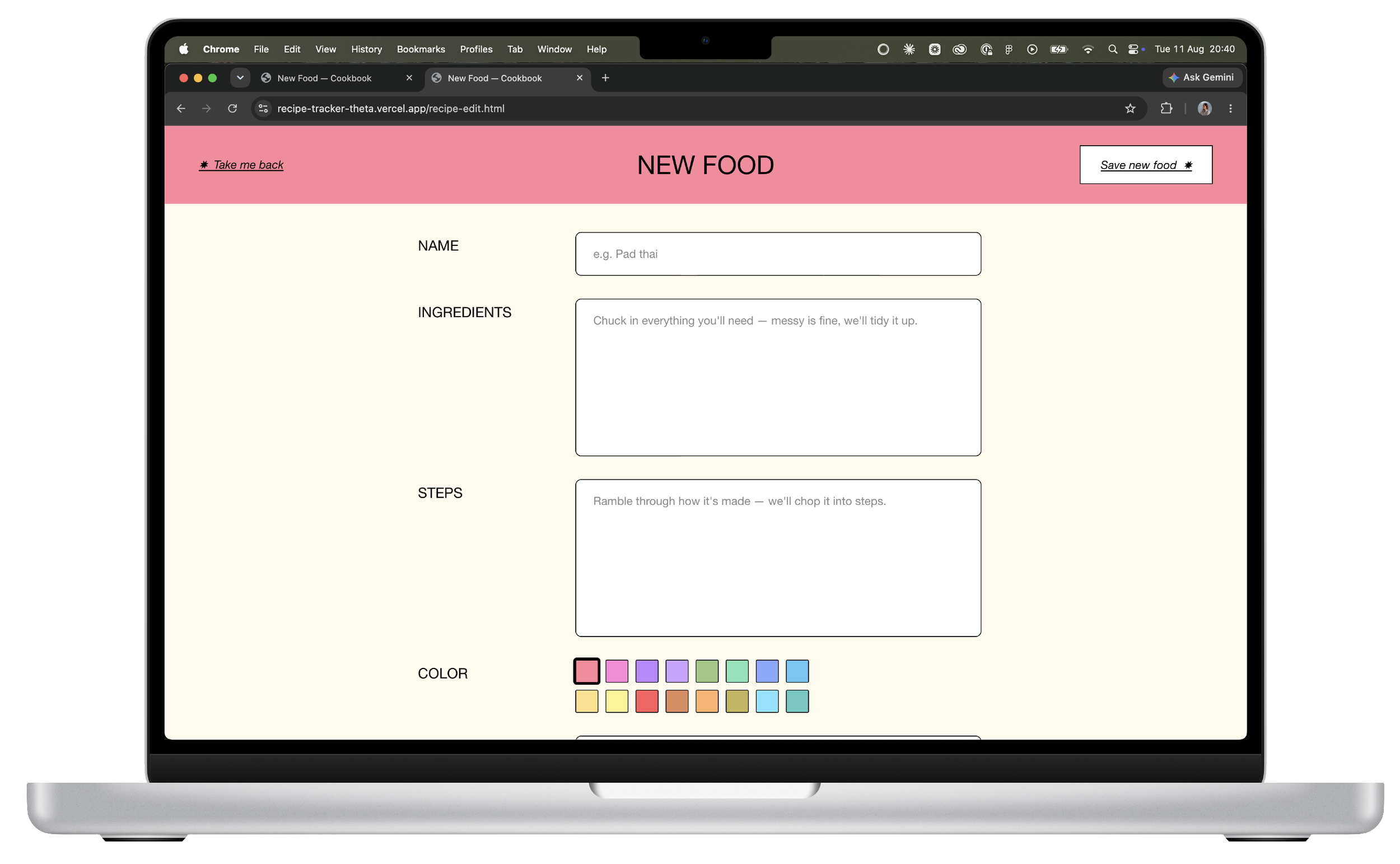
❋ Tagged by cuisines. And feelings.
The filter says "filter your feelings" — comfort, quick, impress someone — because that's how people usually decide what to cook. (Yes, sweet and Brazilian are feelings too).
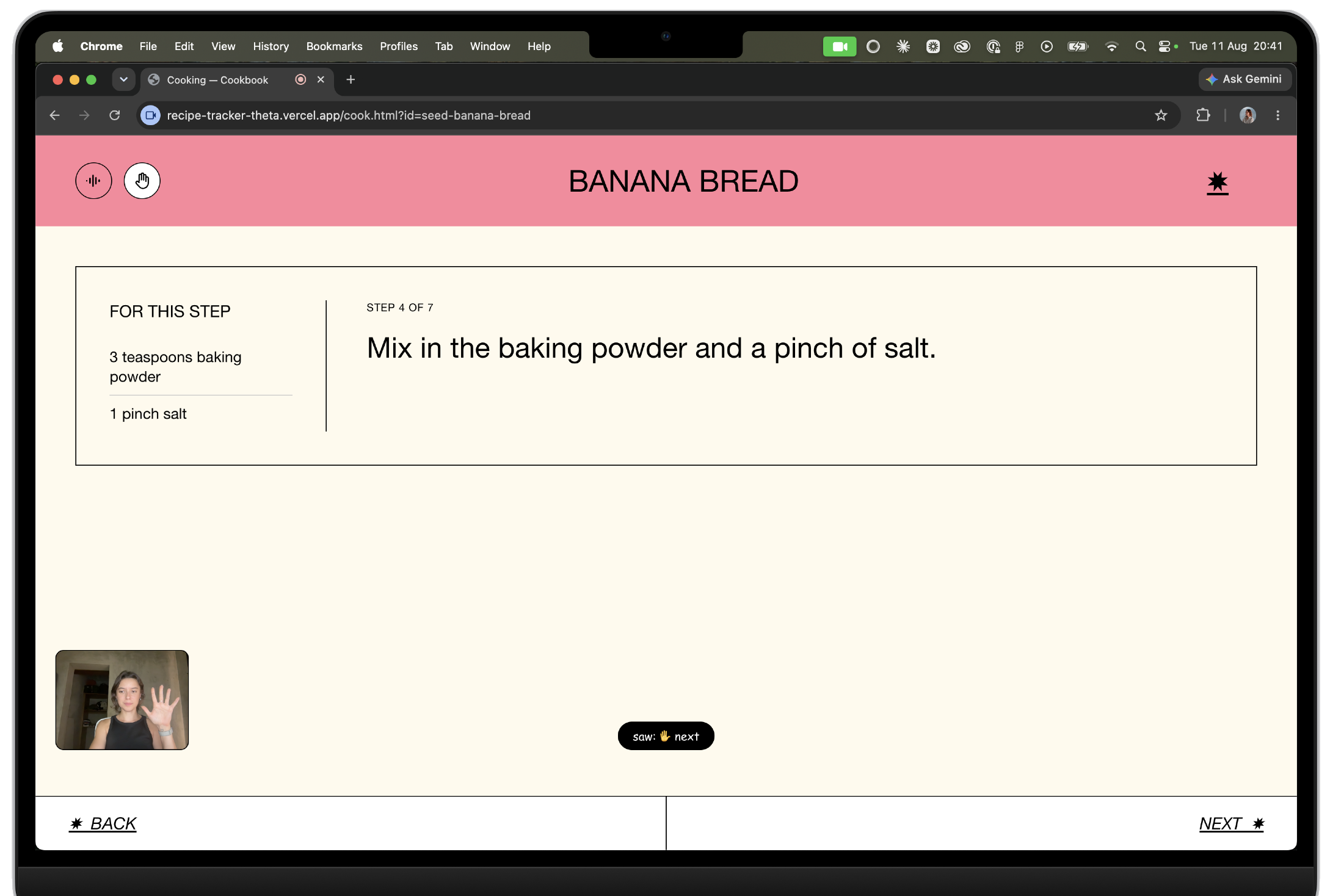
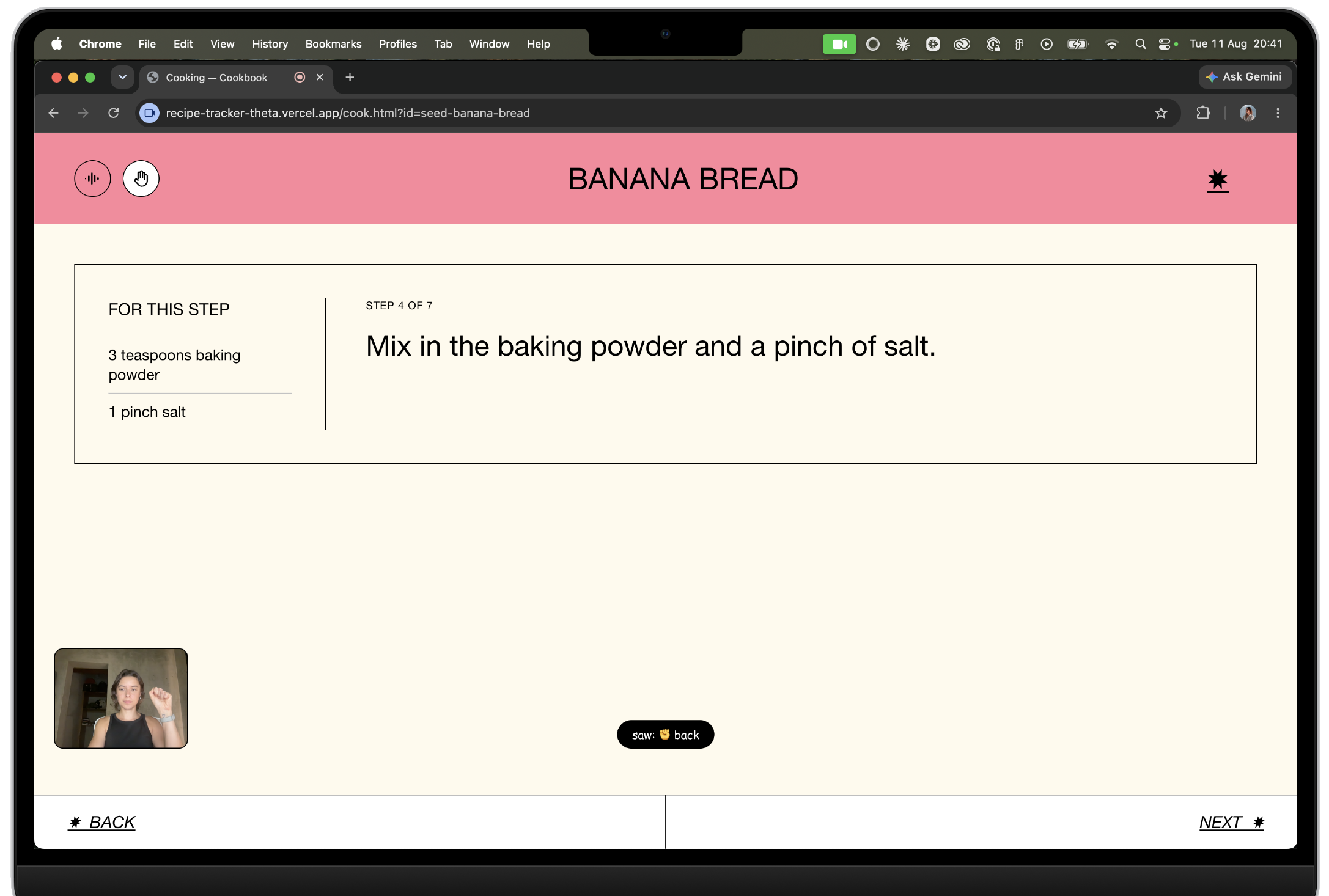
❋ Cook mode: designed for wet hands.
One step per screen, with only that step's ingredients showing; the screen stays awake. And because your hands are wet or covered in flour when it matters, it's hands-free: you can choose between voice ("next", "back", "repeat") or hand gestures through the camera — open palm forward, fist back to follow the recipe.
❋ Shopping list easy to share
You can select multiple recipes to generate your shopping list, can copy, or export to share with someone via message or add to your Notes.
I don't usually start with AI. I start with the vision, and bring AI in once it has at least a basic form. IMO, Everything designed AI-first, straight into Claude Code or MagicPath or even Figma's own AI, has the same tell: perfect heuristics. Grid's right, spacing's right, type scale's right… But, for me, none of it has that feeling, or may I risk to say soul.
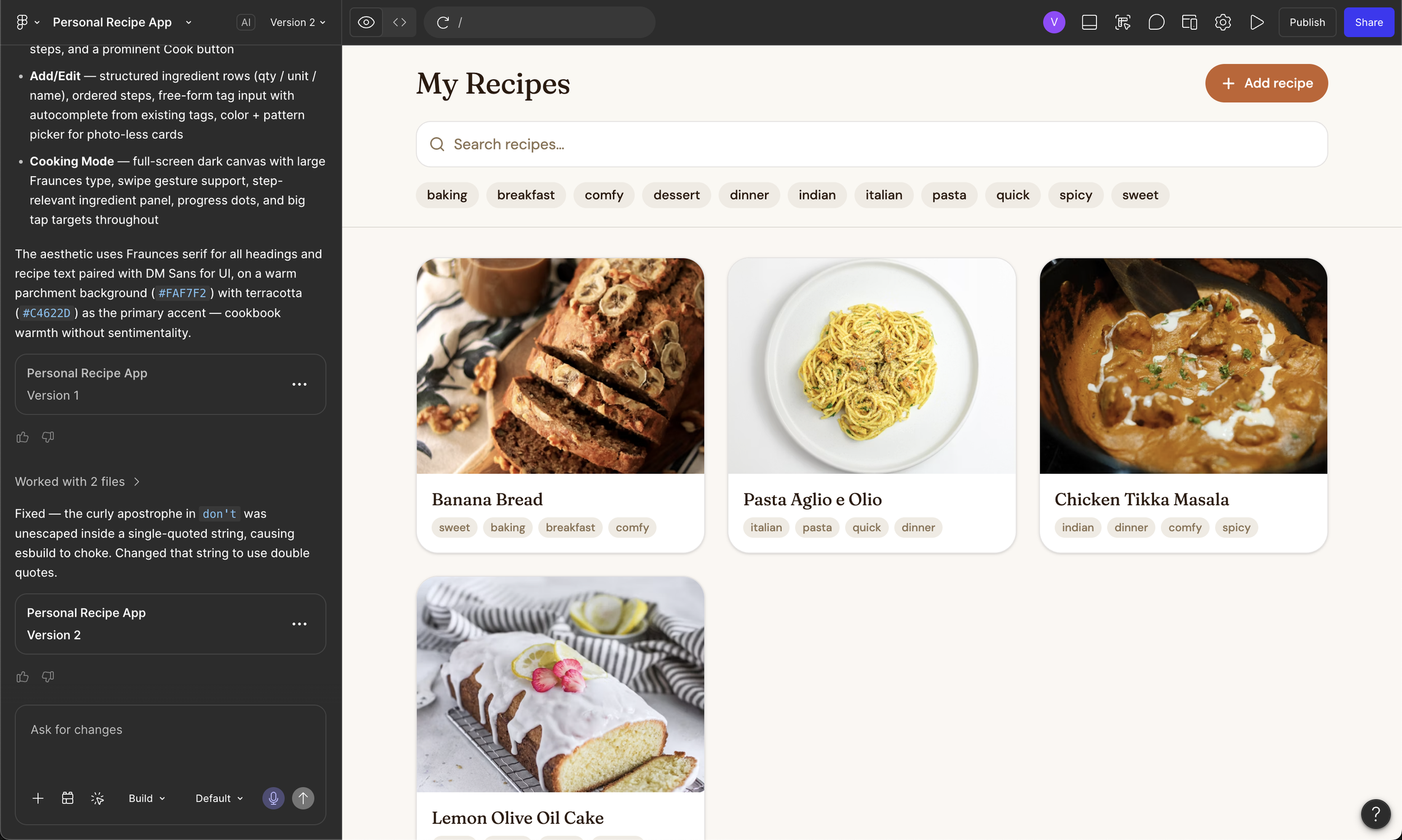
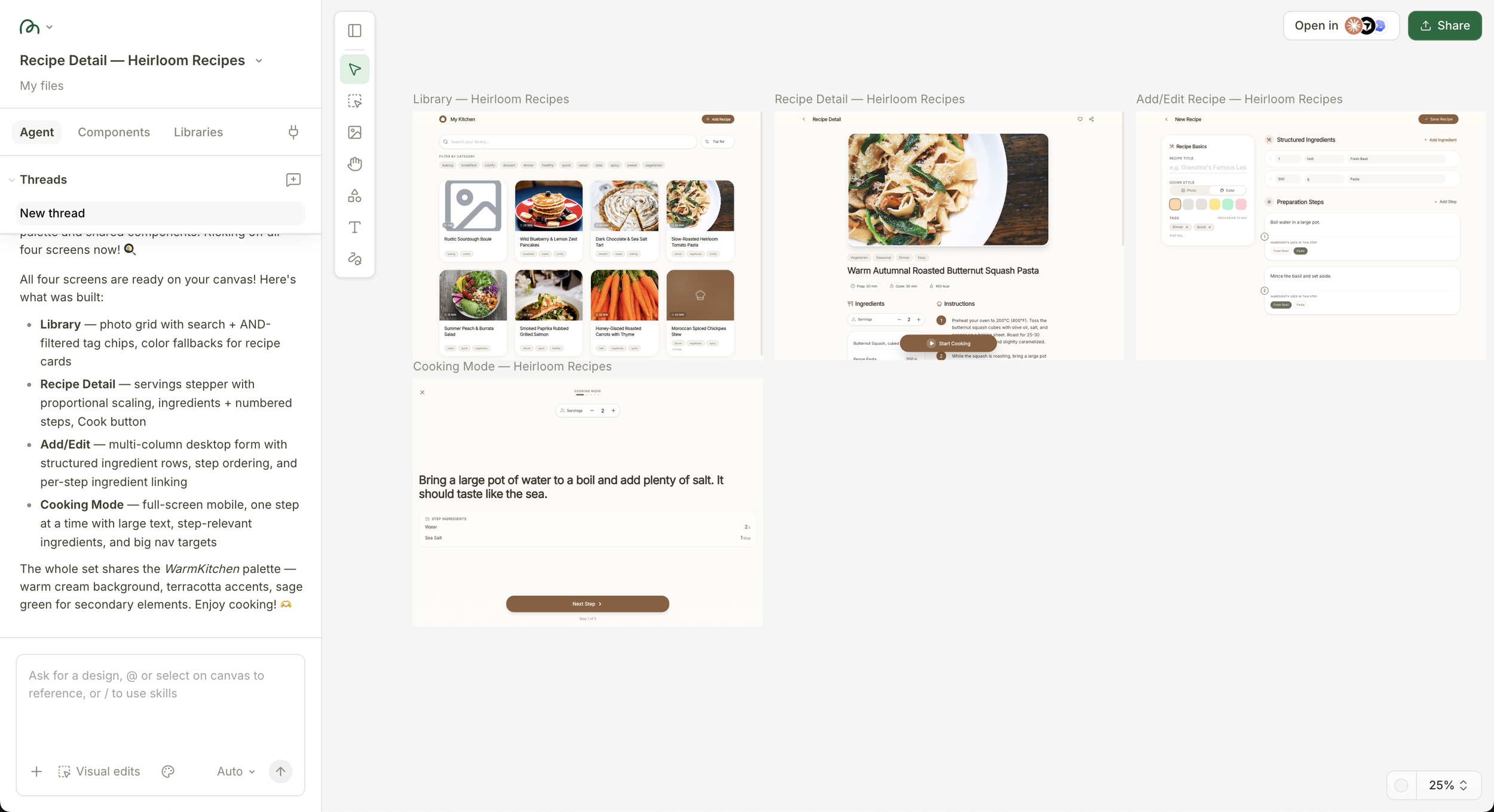
For example, here is what the prompt of this project returned in Figma Make and MagicPath. Is it possible to iterate and reach a not-so-AI-alike thing? For sure. But through how many prompts?
The process (and how I usually work with AI)
So the order here was:
Explore my personal concept and ideas for UI.
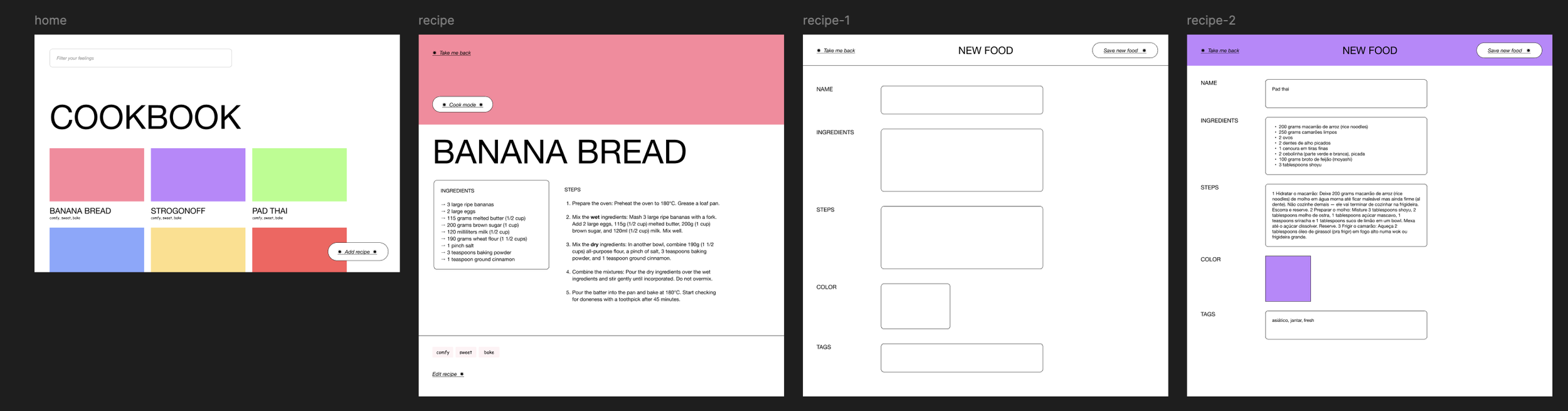
Figma, rough. A first pass at the vision I had; not refined, on purpose. Refined would've meant a finished file to defend instead of a direction to evolve.
Claude Design <> Claude Code, for exploration. Pushed the concept further before writing a line of code.
Claude Code, once the design had a spine. Back to code once the vision was defined enough to hold up under implementation. I design, it builds from my file, I push back on spacing, type, the little ✸'s.
The hardest screen was "cook like nobody's watching". I wanted the line to write itself onscreen like cross-stitch, letter by letter, handmade. Haven't landed it yet — still open.
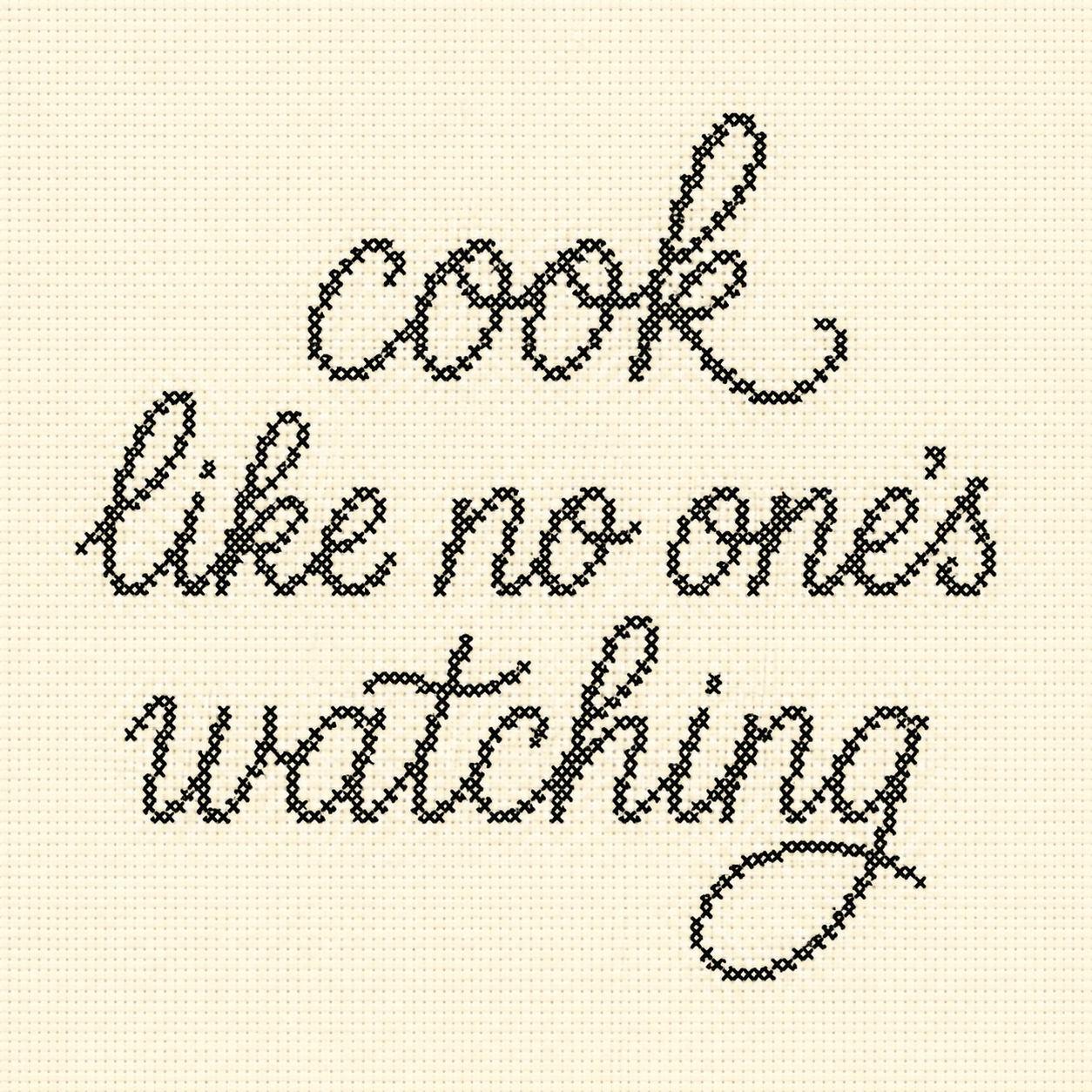
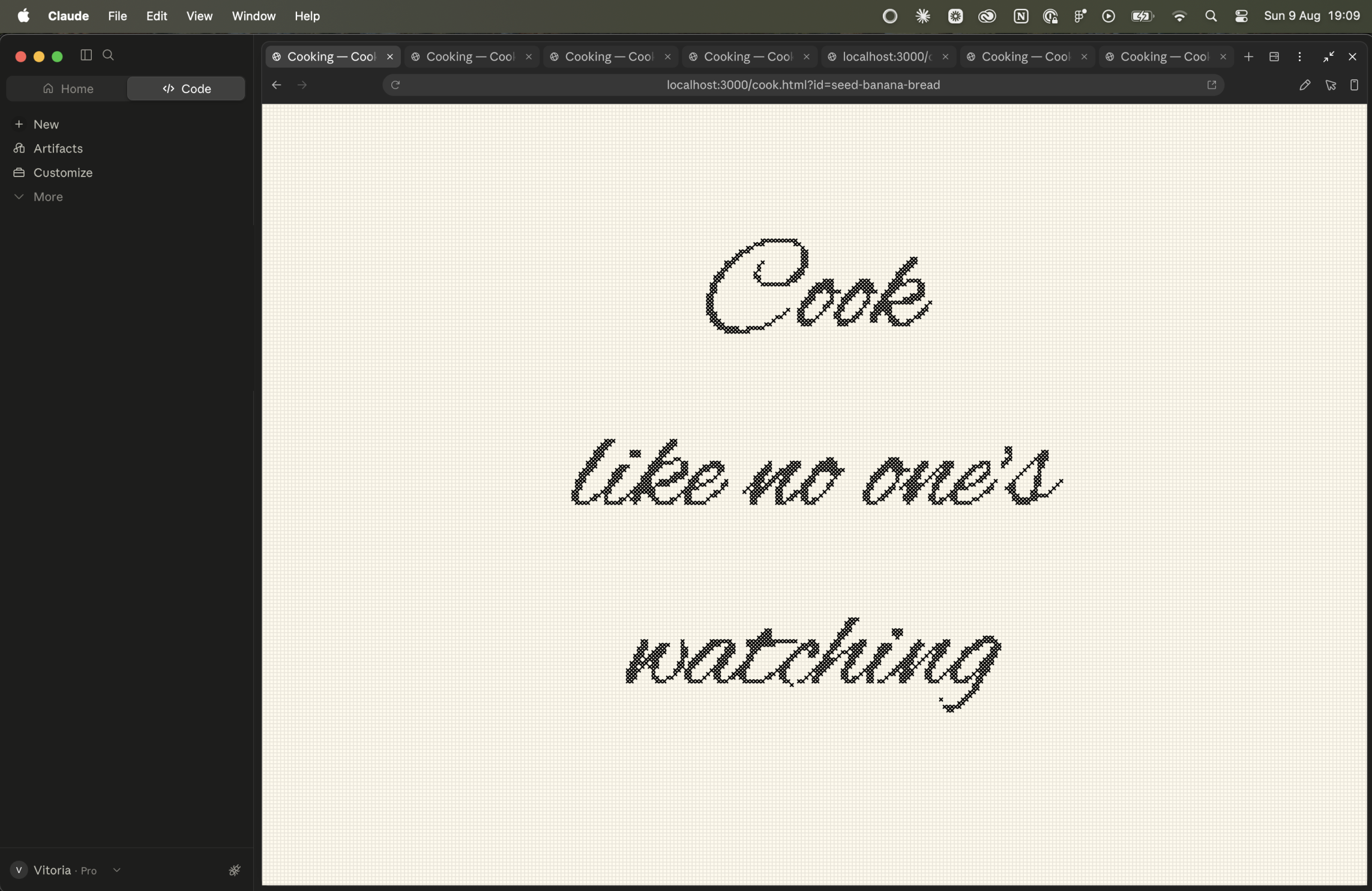
The parts I like most came out of designing the vision first, not the code: hand-gesture and voice control in cook mode exist because wet hands demanded hands-free before I asked Claude Code how to build it, not after. Same with the atmosphere: old-cookbook warmth, but modern, with the information leading the UI, not decorating it.
Scope was a product decision too: no database, no auth — localStorage plus one serverless function for parsing. The smallest investment that gets a real product live on the internet.
Live, and in weekly use by its only stakeholder. And still cooking: a new feature is just a conversation with Claude Code away, so I'll keep yeasting.